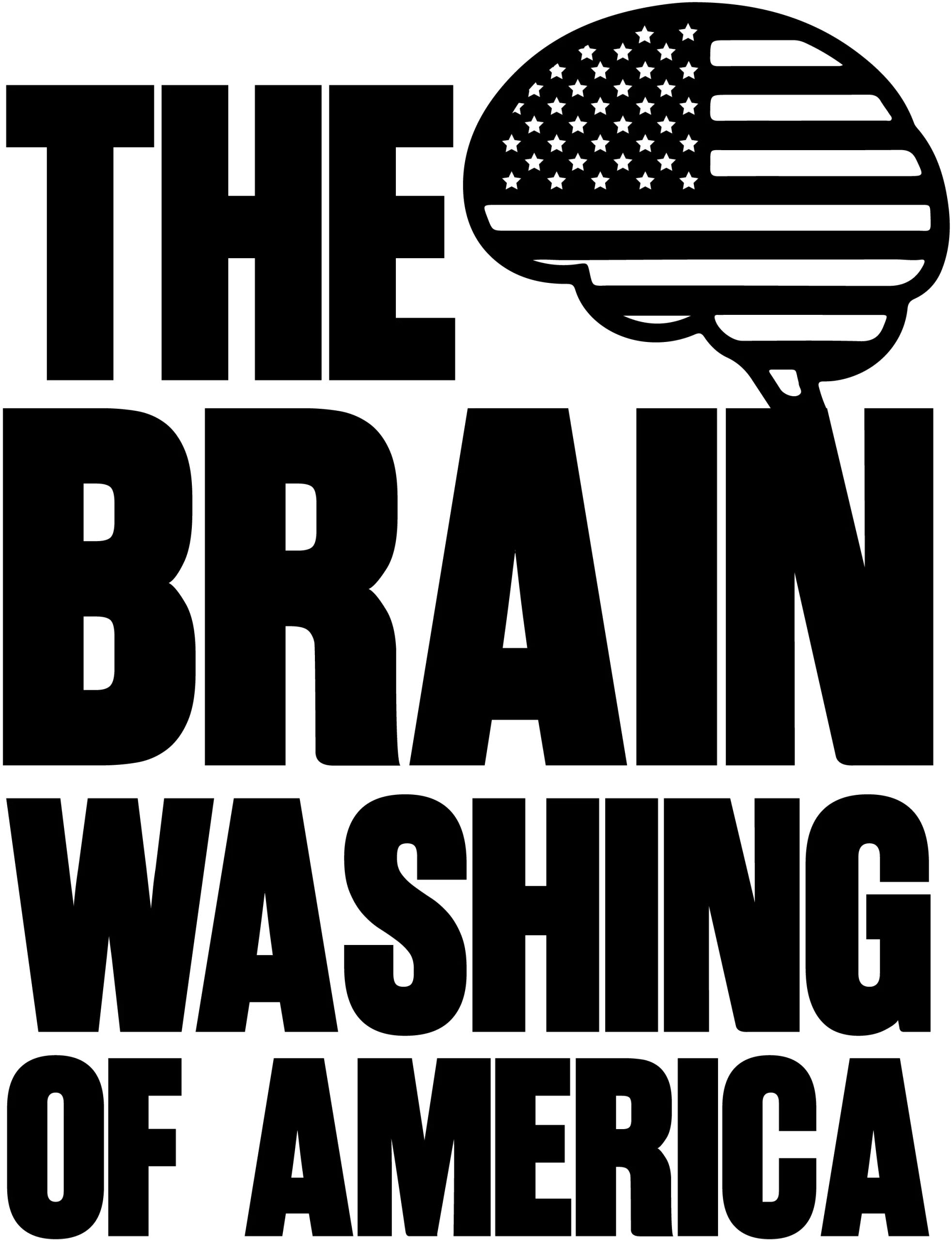
One of the strangest features of the digital age is how often people are genuinely shocked by reality. An election result that seems impossible. A policy position that feels fringe until polling reveals it is widely held. A social movement that appears to emerge from nowhere, even though it had been building for years outside a particular informational ecosystem.
Mark Johnson identifies this phenomenon, what social scientists call false consensus, as one of the most disorienting effects of algorithmically curated media. Inside a well-developed echo chamber, it genuinely feels as though everyone agrees with you. Not because you are arrogant, but because the algorithm has been diligently removing contradictory evidence from your feed for months.
Johnson makes an important observation here. Most people, when studied, hold views far more moderate and varied than their digital environments suggest. The extremes dominate online because extreme content drives engagement. But the person inside the bubble has no way of knowing that. What they see, day after day, is a stream of content confirming that their position is the obvious, sensible, widely-shared one, and that anyone who disagrees must be either misinformed or malicious.
This distortion compounds over time. When perceived majority opinion combines with in-group loyalty, corrections begin to feel like propaganda. Disagreement begins to feel like a coordinated attack. The gap between perceived reality and actual social complexity continues to widen, invisibly, because the person inside the bubble has no reference point from which to measure it.
The algorithm, Johnson reminds us, is not a neutral editor. It replaced human editorial judgment at an incomparably larger scale, and with entirely different priorities. Where editors once weighed accuracy, civic value, and potential harm, algorithms weigh engagement. And engagement is most reliably produced by content that confirms existing beliefs, intensifies existing emotions, and deepens existing divisions.
The consequence is not simply individual distortion. It is a systematic bias across the entire informational environment, not toward any particular ideology, but toward intensity and away from complexity. The most nuanced argument in the room is rarely the one that gets amplified. Repetition, over time, starts to feel like truth.
Understanding false consensus does not require abandoning conviction. It requires the discipline to ask, occasionally and honestly: what would I be seeing if the algorithm were showing me something different? The answer to that question is more important, and more difficult, than it might first appear.